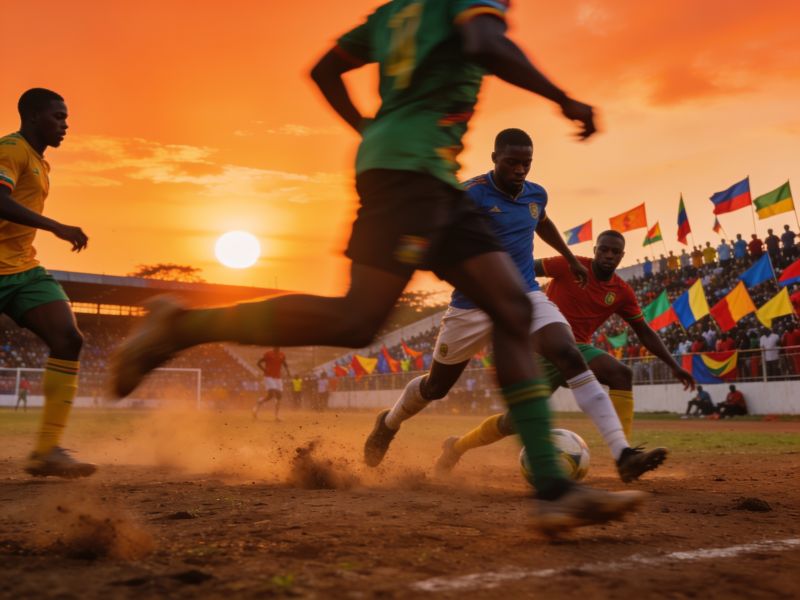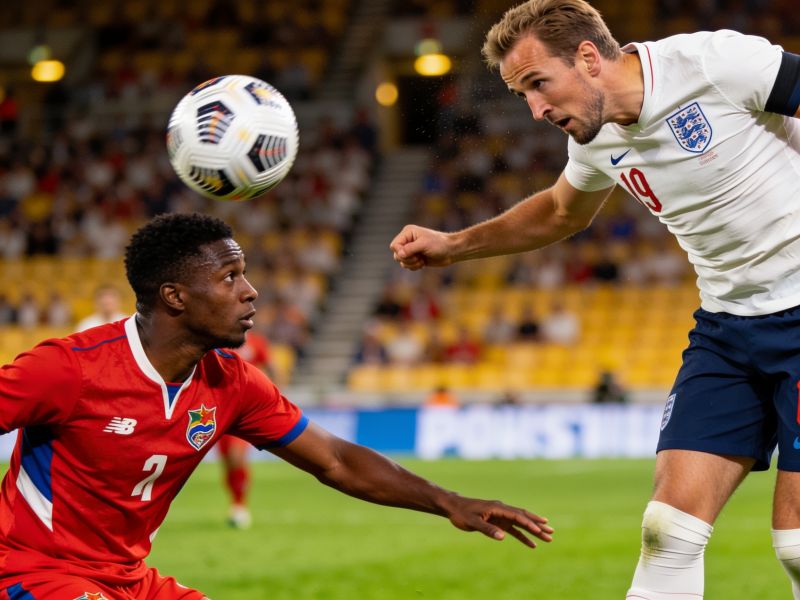
he North Korean team walked onto the pitch in Pyongyang with a 0-0 draw against South Korea in 2019 — not a single shot on target, yet the stadium erupted as if they had won a World Cup. That moment captures the strange reality of North Korean football: a national team that operates in near-total isolation, yet occasionally produces results that demand attention. I’ve followed their trajectory for years, and the pattern is hard to ignore. They are not a pushover. They are a puzzle.Consider the 2010 World Cup. North Korea qualified for the first time in 44 years, and their opening match against Brazil ended 2-1 — a respectable scoreline that hid a disciplined defensive display. The North Korean team held five-time champions Brazil to a one-goal margin until the 89th minute. Their striker, Jong Tae-se, wept during the national anthem. But the same tournament exposed the cracks: a 7-0 thrashing by Portugal, followed by a 3-0 loss to Ivory Coast. The North Korean team finished with zero points and a goal difference of minus eleven. That duality — stubborn resilience against big names。
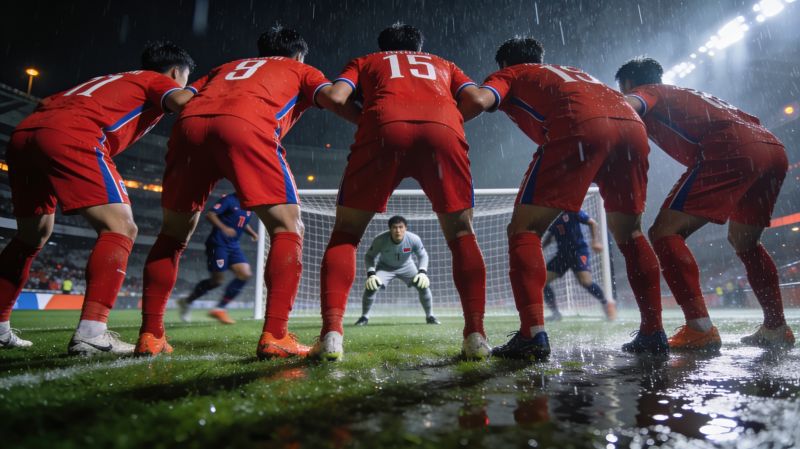
then collapse — has defined them for over a decade.Why does this happen?Isolation cuts both ways. The North Korean team rarely plays friendlies outside Asia。which means their tactical preparation has gaps. In the 2019 EAFF E-1 Championship, they lost 1-0 to South Korea and drew 0-0 with Japan — solid defensive numbers, but only one goal scored in three matches. I watched those games. Their back line sits deep, almost rigid, and they rely on counter-attacks through quick wingers. It works against teams that dominate possession, but against lower-ranked opponents, they struggle to break down packed defenses. That’s not a flaw of talent;it’s a flaw of exposure. No amount of domestic training replicates the variety of international friendlies.There’s also the psychological factor. The North Korean team faces pressures that no European or South American squad encounters. Reports from defectors suggest players are scrutinized for political loyalty, and failure can carry consequences beyond the pitch. That context makes their occasional wins — like the 2015 AFC Asian Cup qualification over Uzbekistan — feel less like sports stories and more like survival tales. I’m not defending the system;I’m pointing out that the North Korean team’s performance can’t be read through the same lens as, say, the Japanese or Australian teams. The isolation isn’t just logistical;
it’s structural.Looking ahead, the North Korean team remains a wildcard in Asian qualifying. They have a core of technically decent players — midfielder Ri Yong-jik, for instance, has played in Japan and Serbia. But without regular high-level competition, their ceiling stays low. My take: they’ll continue to frustrate stronger sides with gritty draws, then lose by narrow margins to teams they should beat. Unless the North Korean team’s federation opens up to more international fixtures。that pattern won’t break. And honestly, that’s a shame — because there’s a decent footballing nation buried under the hermetic seal.